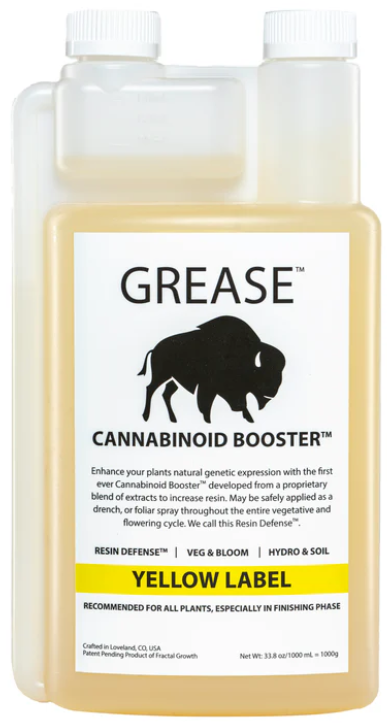
Nutrient Reduction: During the final growth phase, it's common to reduce or completely stop the use of nutrient supplements. This gradual reduction ensures that the plant's nutrient uptake decreases, which can help prevent excess nutrients from remaining in the buds and affecting the taste and quality.
Trichome Development: Trichomes are tiny resin glands that develop on the surface of the buds, leaves, and stems of the cannabis plant. These trichomes contain cannabinoids, terpenes, and other compounds that contribute to the potency and aroma of the final product. During the last two weeks, the trichomes reach their peak development, indicating the ideal time for harvest. You can monitor the trichomes using a magnifying tool and harvest when they appear milky or amber in color.
Ripening Signs: As the plant nears maturity, you may observe certain ripening signs. The pistils, the hair-like structures on the buds, may change color from white to orange, brown, or red. The buds may become denser, and the leaves may start to yellow and wither. These are natural signs of the plant's final growth phase.
Proper Environmental Conditions: During the last two weeks, it's crucial to maintain appropriate environmental conditions. Maintain the proper temperature and humidity levels to prevent mold or bud rot. Adequate airflow and ventilation are also important to minimize the risk of any moisture-related issues.
Flushing: Flushing refers to the practice of watering plants with plain water, without any nutrients or additives. The purpose of flushing is to remove any residual nutrients or chemical buildup from the plant's tissues. By flushing, you allow the plant to consume its stored nutrients, resulting in a cleaner and smoother smoke.